
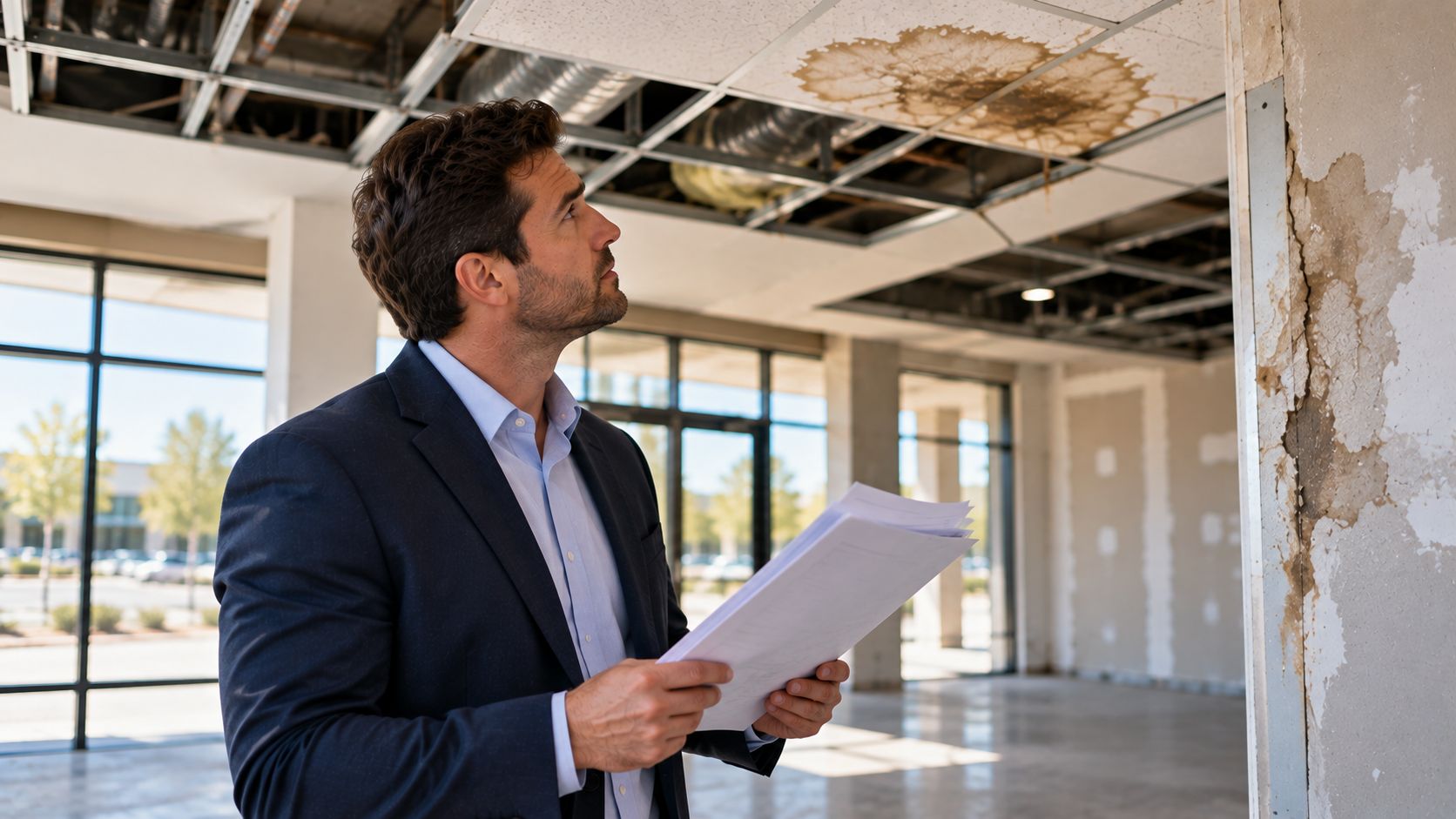
Buying commercial real estate in California is rarely a simple transaction. Before closing, a buyer may review leases, environmental reports, financial statements, title documents, zoning information, inspection reports, service contracts, and enough other paperwork to make the property’s roof seem like the easy part. The expectation is that this due diligence will reveal the material information needed to evaluate the investment. Unfortunately, some problems do not become apparent until after the transaction closes. A buyer may discover recurring water intrusion that was recently covered with fresh paint. An apartment investor may learn that units were constructed without required permits. A retail property may have parking, access, or easement problems that interfere with its use. Financial records provided before closing may not accurately reflect the property’s income or expenses. At that point, the buyer is no longer asking if the property was a good investment. The question becomes whether the seller knew about the problem, what information was provided before closing, what the purchase agreement says, and what legal remedies may be available. Commercial real estate buyers generally have substantial due diligence responsibilities. That does not necessarily give a seller permission to conceal known material problems or make false representations about the property.
Commercial Real Estate Is Different From Buying a Home
California commercial real estate transactions should not be analyzed exactly like residential home sales. Commercial buyers are frequently investors, developers, LLCs, corporations, or experienced business owners. Purchase agreements may be extensively negotiated, and both sides often have brokers, attorneys, inspectors, environmental consultants, accountants, or other professionals involved in the transaction. For that reason, the contract becomes especially important. A commercial purchase agreement may address representations and warranties, inspection rights, due diligence periods, environmental conditions, tenant information, title matters, property condition, remedies, indemnification, and limitations on liability. Some commercial properties are also sold on an “as-is” basis. Those provisions can provide meaningful contractual protection to sellers, but they should not automatically be interpreted as permission to actively conceal a known defect or make a material misrepresentation. The legal analysis usually requires looking at the entire transaction rather than focusing on a single clause.
What Types of Undisclosed Problems Can Surface?
Commercial properties can have problems that go far beyond a leaking roof. A defect may affect the property’s physical condition, legal use, income stream, development potential, or long-term value. For income-producing properties, existing leases can materially affect the value of the acquisition. Buyers should understand California commercial lease requirements before closing, particularly when purchasing a building with existing tenants.
Common disputes can involve:
- Structural defects or significant water intrusion
- Roof or foundation problems
- Unpermitted additions or alterations
- Building or fire code violations
- Environmental contamination
- Easement or access problems
- Boundary or encroachment disputes
- Zoning and land-use restrictions
- Tenant disputes or undisclosed lease obligations
- Inaccurate rent rolls
- Misrepresented operating expenses
- Pending government enforcement
- Undisclosed litigation involving the property
For an investor, the financial effect can be substantial. A problem that costs $50,000 to repair is one issue. A zoning or environmental problem that prevents the buyer from carrying out a planned redevelopment may affect the entire economics of the acquisition.
Did the Seller Know About the Problem?
One of the first questions in an undisclosed-property dispute is what the seller actually knew. There is an important difference between a defect neither party reasonably knew existed and a material problem the seller knew about but failed to reveal or affirmatively concealed. Evidence of prior knowledge may come from many places. Repair invoices, contractor communications, insurance claims, emails, property management records, prior inspection reports, communications with tenants, municipal notices, and earlier bids for corrective work may all become relevant. Imagine purchasing a commercial building and discovering major water intrusion shortly after closing. If the seller genuinely had no knowledge of the condition, the dispute may center heavily on the contract and the buyer’s inspections. If records show that the seller hired contractors three times to address the same leak and then represented that no such problem existed, the analysis looks very different. Real estate cases have a habit of becoming document cases. What someone remembers saying six months later matters, but an email sent before closing can matter considerably more.
What If the Property Was Sold “As Is”?
“As is” is one of the most misunderstood phrases in real estate. In a commercial transaction, an as-is provision may mean that the buyer accepts the property’s existing physical condition and assumes significant responsibility for conducting inspections before closing. The exact effect depends on the language of the agreement and circumstances surrounding the transaction. An as-is clause, however, should not automatically end every discussion about seller misconduct. For example, a dispute may look different if the seller merely declined to guarantee the condition of an aging roof versus intentionally covering evidence of significant water damage while making statements designed to prevent the buyer from discovering it. Commercial buyers should therefore avoid assuming that an as-is provision leaves them with no potential remedies. Sellers should likewise avoid assuming those two words provide immunity from every allegation involving fraud, concealment, or misrepresentation.
Due Diligence Matters
Commercial buyers are expected to take due diligence seriously. A buyer who had a clear opportunity to investigate an issue but failed to do so may face a more difficult legal argument later. Due diligence can involve much more than a physical property inspection. Depending on the acquisition, a buyer may review title, surveys, environmental conditions, zoning, permits, leases, financial statements, operating expenses, service contracts, insurance history, pending litigation, and government records.
The California Department of Real Estate provides consumer and industry information regarding real estate transactions, while local planning and building departments can also contain important records concerning permits, zoning, and code compliance. For sophisticated investments, the due diligence process should be designed around the buyer’s intended use of the property. A buyer purchasing an occupied office building has different concerns from a developer acquiring the same parcel for demolition and redevelopment. The better question is not simply, “Is there anything wrong with this building?” It is, “Is there anything about this property that prevents me from doing what I am buying it to do?”
What If the Seller Made a False Statement?
An undisclosed condition can potentially become more serious when the seller makes a specific representation that turns out to be false. Suppose a buyer asks if all improvements were properly permitted and receives a written representation that they were. After closing, the buyer discovers that a substantial portion of the building was constructed without required permits. Or perhaps the seller represents that there are no known environmental problems, despite having previously received information suggesting contamination. Depending on the circumstances, disputes involving false statements may lead to claims based on fraud, negligent misrepresentation, breach of contract, or other legal theories. The exact claim depends on what was said, who said it, what the seller knew or should have known, whether the buyer reasonably relied on the representation, and what damages resulted.
Financial Information Can Be Just as Important as Physical Defects
When people hear “undisclosed property problem,” they often picture mold, plumbing, or structural damage. For commercial investors, the spreadsheet can be just as important as the building. An investor purchasing an apartment complex, shopping center, or office building may value the property based heavily on its income. For multifamily acquisitions, current California rent laws can also affect projected rental income and the property’s valuation. Rent rolls, tenant leases, existing commercial lease disputes, operating expenses, concessions, delinquencies, and other financial information can directly affect the purchase price. Consider an investor who acquires a property based on represented rental income and later discovers that several tenants received substantial concessions that were not reflected in the materials provided during due diligence. The physical building may be exactly as expected, yet the property’s economics may be substantially different. Commercial due diligence should therefore examine both the real estate and the financial story being told about it.
Environmental Problems Can Create Significant Exposure
Environmental conditions deserve particular attention in commercial acquisitions because cleanup obligations can be extraordinarily expensive. Properties that previously contained gas stations, dry cleaners, manufacturing operations, automotive businesses, or other potentially contaminating uses may require additional investigation. Soil contamination, underground storage tanks, hazardous substances, or groundwater problems may not be visible during an ordinary walkthrough. The U.S. The Environmental Protection Agency maintains resources concerning environmental due diligence and the federal “All Appropriate Inquiries” framework used when evaluating potential environmental contamination and certain liability protections. Environmental problems are one area where saving money on due diligence can become remarkably expensive later.
What Legal Remedies May Be Available?
There is no single remedy for every undisclosed commercial property problem. The appropriate response depends on the purchase agreement, nature of the defect, seller’s knowledge, buyer’s investigation, representations made during the transaction, and resulting damages. Potential claims or remedies may include breach of contract, fraud, negligent misrepresentation, rescission, damages, indemnification, or other contractual and equitable relief. Some agreements may also establish specific dispute-resolution procedures, notice requirements, arbitration provisions, limitations periods, or attorney’s fee provisions.
The following provides a general framework:
| Problem Discovered | Key Question | Potential Legal Issue |
| Hidden structural damage | Did the seller know or conceal it? | Fraud, misrepresentation, contract claims |
| Unpermitted construction | What was represented before closing? | Misrepresentation or breach of warranty |
| Environmental contamination | Was the condition known or discoverable? | Environmental and contractual liability |
| Incorrect rent roll | Were income figures materially inaccurate? | Fraud, misrepresentation, breach of contract |
| Easement/access problem | What did title and seller representations show? | Title or contract dispute |
| Code violations | Were notices received before closing? | Disclosure, contract, or misrepresentation claims |
These categories frequently overlap. A single transaction may involve several legal theories and multiple parties.
Could the Buyer Rescind the Transaction?
In certain circumstances, a buyer may seek rescission rather than simply damages. Rescission is essentially an attempt to unwind the transaction and restore the parties, as much as possible, to their pre-contract positions. It is a significant remedy and is not available merely because the buyer regrets the investment or discovers an ordinary maintenance issue. A buyer considering rescission should act carefully. Conduct after discovering the problem may become relevant, and contractual or statutory deadlines can matter. Continuing to operate the property for an extended period while simultaneously attempting to unwind the sale can create additional legal questions. For that reason, significant undisclosed conditions should be evaluated promptly.
What Should a Buyer Do After Discovering a Problem?
The instinct to immediately confront the seller is understandable, but the buyer should first preserve information and determine exactly what occurred. Useful steps may include documenting the condition, preserving transaction records, reviewing the purchase agreement, locating seller representations and warranties, obtaining appropriate professional evaluations, and identifying evidence concerning the seller’s prior knowledge. Buyers should also preserve emails, text messages, inspection reports, broker communications, financial records, photographs, and due diligence materials. If repairs must begin immediately for safety or business reasons, documenting the condition before it changes can become particularly important. The goal is to understand the problem before everyone starts arguing about who caused it.
Brokers and Other Professionals May Become Part of the Dispute
The seller is not necessarily the only party whose conduct may require review. Commercial transactions often involve brokers, property managers, inspectors, environmental consultants, contractors, escrow companies, title professionals, and other specialists. Depending on the facts, communications or work performed by those parties may become relevant to determining what was known and what information reached the buyer. This does not mean every failed transaction should turn into a lawsuit against everyone whose name appears in the closing file. It means the investigation should follow the evidence rather than assuming the dispute begins and ends with the seller.
When Should a Commercial Buyer Speak With a Real Estate Attorney?
Minor maintenance issues rarely justify turning a property acquisition into litigation. Material undisclosed conditions are different, particularly when they affect property value, income, development rights, environmental exposure, or the buyer’s intended use. Early legal review can help determine what the contract requires, which representations survive closing, what evidence should be preserved, and which remedies may realistically be available. Commercial real estate disputes are highly dependent on contract language. Two buyers can discover nearly identical defects and have very different legal positions because their purchase agreements contain different representations, disclaimers, indemnification provisions, or remedies. That is why the signed agreement should usually be one of the first documents reviewed, not the last.