
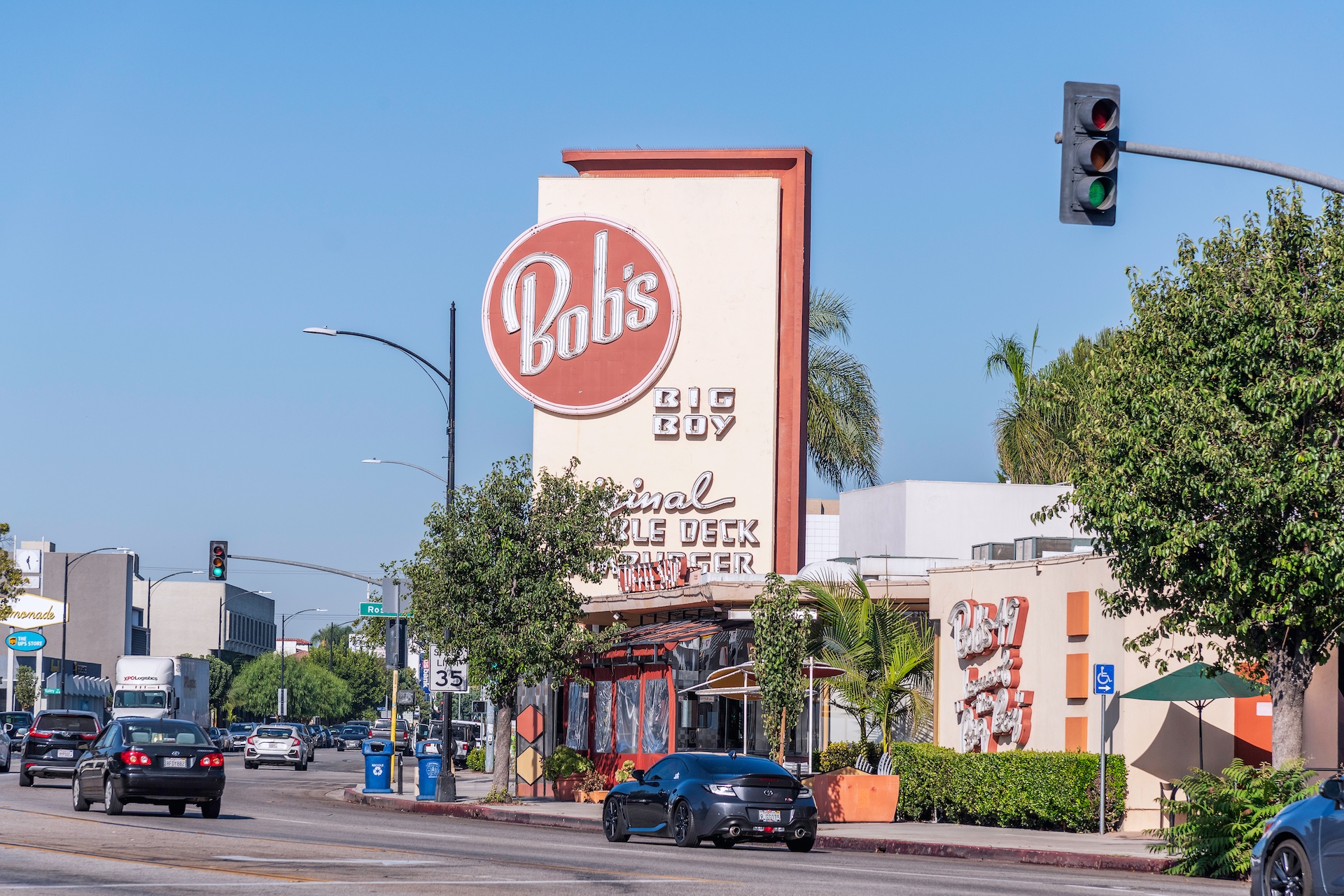
Real estate development in Burbank has accelerated in recent years as demand for housing, mixed-use projects, and commercial redevelopment continues to grow throughout Los Angeles County. Developers, investors, and commercial property owners are increasingly looking toward areas such as Downtown Burbank, the Media District, and surrounding commercial corridors for new opportunities.
However, with increased development activity comes increased regulatory scrutiny. Developers frequently encounter Burbank zoning disputes, permit delays, land use conflicts, and neighborhood opposition that can significantly impact timelines and project costs.
Whether the project involves a multi-family residential development, commercial redevelopment, mixed-use property, or adaptive reuse project, understanding the zoning and permitting landscape in Burbank is critical before moving forward.
Why Zoning Conflicts Are Increasing in Burbank
Like many Southern California cities, Burbank faces pressure to balance growth, housing demand, traffic concerns, and neighborhood preservation.
Several factors are driving an increase in land use disputes in Burbank:
- Rising property values throughout Los Angeles County
- Demand for additional housing inventory
- Redevelopment of aging commercial properties
- Pressure to comply with California housing mandates
- Community resistance to density and traffic increases
- Interest in mixed-use and transit-oriented development
As more developers pursue redevelopment opportunities, zoning conflicts have become increasingly common. Projects near the Media District, Magnolia Park, and Downtown Burbank often face additional scrutiny because of traffic flow, parking demands, and neighborhood concerns regarding density and building height.
Common Zoning Problems Developers Face in Burbank
Developers involved in construction or redevelopment projects frequently encounter a variety of zoning-related challenges.
Permit Denials
One of the most frustrating situations occurs when a development application is denied by the city.
Permit denials may occur because of:
- zoning inconsistencies
- neighborhood objections
- parking deficiencies
- environmental concerns
- failure to meet planning requirements
In some cases, developers spend significant time and money preparing plans only to discover that the city does not support the project as proposed. These situations often lead to development permit disputes and administrative appeals.
Density Restrictions
Density restrictions are one of the most common sources of zoning litigation in California.
Cities often regulate:
- number of residential units
- building height
- setbacks
- floor-area ratios
- lot coverage
Developers may discover that the economics of a project no longer work once local zoning restrictions are applied.
This issue is particularly relevant for developers attempting to build multi-family housing in areas traditionally dominated by low-density residential zoning.
Parking and Infrastructure Requirements
Parking requirements can significantly affect the feasibility of a development project in Burbank.
The city may require developers to provide:
- minimum parking spaces
- traffic studies
- street improvements
- infrastructure upgrades
For mixed-use developments or apartment projects, parking ratios can directly impact the number of units a developer can build. In high-demand areas near entertainment studios and commercial corridors, these requirements often become major obstacles.
Mixed-Use Development Challenges
Burbank continues to experience increased interest in mixed-use development projects combining residential, retail, and office uses.
However, these projects frequently encounter regulatory complications involving:
- zoning compatibility
- traffic concerns
- noise restrictions
- parking allocation
- conditional use permits
Developers converting older office or retail properties into residential or mixed-use projects often face extensive review from local planning authorities.
Understanding Burbank Planning and Approval Process
Before construction begins, developers typically must navigate multiple levels of municipal review.
The development approval process may involve:
- Preliminary zoning review
- Community Development Department review
- Planning Commission hearings
- Environmental review
- Variance or conditional use permit applications
- Final city approval
During this process, projects may encounter delays due to requests for revisions, public objections, or additional studies. Developers unfamiliar with the process often underestimate how long approvals may take.
What Causes Permit Delays in Burbank?
Permit delays are one of the most common frustrations developers face.
Several issues may contribute to delays, including:
Incomplete Applications
Missing documentation, engineering reports, or site plans can slow the review process considerably.
Neighborhood Opposition
Community members sometimes oppose projects involving:
- increased density
- reduced parking
- building height changes
- traffic concerns
Public opposition can lead to additional hearings and extended review timelines.
Environmental and Traffic Reviews
Certain projects may require environmental review or traffic impact analysis before approval can proceed.
Conflicts With Existing Zoning
If the proposed use does not fit within the existing zoning classification, developers may need to pursue variances or rezoning applications.
These delays can significantly increase holding costs and financing expenses for developers.
Legal Options After a Permit Denial
When a project is denied or delayed, developers may have several legal and administrative options available.
Administrative Appeals
In many situations, developers may appeal decisions through the city’s administrative process.
Appeals may involve:
- Planning Commission review
- City Council hearings
- revised development proposals
Administrative appeals can sometimes resolve Burbank zoning disputes without formal litigation.
Project Modifications
Some developers choose to revise project plans to address city concerns.
Modifications may include:
- reducing density
- changing building design
- adjusting parking layouts
- modifying traffic access
Although revisions can delay construction, they may help secure approvals more efficiently than litigation.
Land Use Litigation
When negotiations fail, developers may pursue legal action involving:
- improper permit denials
- inconsistent zoning enforcement
- violations of California housing laws
- unlawful municipal actions
Complex zoning conflicts often evolve into land use litigation or broader real estate development disputes in California.
California Laws That May Protect Developers
Several California laws limit the ability of cities to deny certain housing projects.
These laws can become critical tools in zoning disputes.
Housing Accountability Act
The Housing Accountability Act restricts cities from arbitrarily denying qualifying housing developments.
Density Bonus Law
California’s Density Bonus Law allows developers to increase project density when affordable housing components are included.
Builder’s Remedy
The Builder’s Remedy has become increasingly important in California development disputes. Under certain circumstances, developers may bypass local zoning restrictions if a city fails to maintain a compliant housing element.
These laws can significantly alter negotiations between developers and municipalities.
How Zoning Disputes Affect Property Investors
Zoning disputes can create serious financial consequences for developers and investors.
Potential impacts include:
| Zoning Problem | Potential Financial Impact |
| Permit delays | Increased holding costs |
| Density restrictions | Reduced project profitability |
| Litigation | Significant legal expenses |
| Environmental review delays | Financing complications |
| Neighborhood opposition | Construction timeline disruptions |
Even relatively small permit delays may affect financing deadlines, investor expectations, and construction schedules. For large-scale developments, months of delay can substantially increase project costs.
Commercial Redevelopment and Adaptive Reuse Projects
Burbank’s evolving commercial landscape has created increased interest in adaptive reuse and redevelopment projects.
Developers are increasingly exploring:
- office-to-residential conversions
- mixed-use retail redevelopment
- creative office spaces
- redevelopment of aging commercial properties
However, adaptive reuse projects frequently encounter zoning conflicts because older buildings may not comply with modern planning standards.
Commercial redevelopment projects may also involve disputes related to:
- parking requirements
- environmental compliance
- conditional use permits
- infrastructure improvements
These projects often require extensive coordination with municipal agencies.
When Developers Should Consult a Real Estate Attorney
Many developers wait until a project has already encountered serious problems before seeking legal guidance. However, early legal analysis may help developers identify zoning risks before substantial investments are made.
Developers may benefit from legal guidance when:
- evaluating development sites
- reviewing zoning restrictions
- appealing permit denials
- negotiating with municipalities
- facing land use litigation
- dealing with neighborhood opposition
Early planning and legal due diligence can sometimes prevent expensive disputes later in the development process.
Why Local Knowledge Matters in Burbank Development Projects
Every city has its own political environment, planning priorities, and regulatory culture.
In Burbank, development disputes often involve unique local considerations related to:
- entertainment industry growth
- airport-area development
- traffic congestion concerns
- neighborhood preservation efforts
- mixed-use redevelopment pressures
Understanding how local planning authorities approach development projects can be critical when navigating permit approvals and zoning disputes.